Consort Road upholstery cleaning for period properties Nunhead: a practical guide for careful, lasting results
If you live on Consort Road and own a period property in Nunhead, upholstery cleaning is rarely just about making a sofa look nicer. It is about protecting older fabric, preserving character, and dealing with the very normal life that happens in a well-used home: muddy shoes by the door, dust settling into deep buttons, pet hair on a favourite armchair, or a faint smell that seems to hang around after winter. Consort Road upholstery cleaning for period properties Nunhead calls for a gentler, more thoughtful approach than a quick blast-and-go clean.
In older houses, the details matter. A Victorian armchair can have delicate springs and original fillings. A dining chair may have years of layered wear. Even a modern replacement piece in a period setting can still need careful treatment because the room itself, the light, the humidity, and the way the furniture is used all influence the result. This guide walks through what to expect, how the process works, what to avoid, and how to choose a sensible cleaning approach without overcomplicating things.
For readers who want a broader overview of fabric care across the home, the site's upholstery cleaning service and related pages such as sofa cleaning, curtain cleaning, and stain removal can help frame the wider picture. But let's stay focused here on period-property upholstery, because that's where the little judgement calls really count.
Table of Contents
- Why Consort Road upholstery cleaning for period properties Nunhead matters
- How the cleaning process works
- Key benefits and practical advantages
- Who this is for and when it makes sense
- Step-by-step guidance
- Expert tips for better results
- Common mistakes to avoid
- Tools, resources and recommendations
- Law, compliance, standards and best practice
- Options, methods and comparison table
- Case study or real-world example
- Practical checklist
- Conclusion
- Frequently asked questions
Why Consort Road upholstery cleaning for period properties Nunhead matters
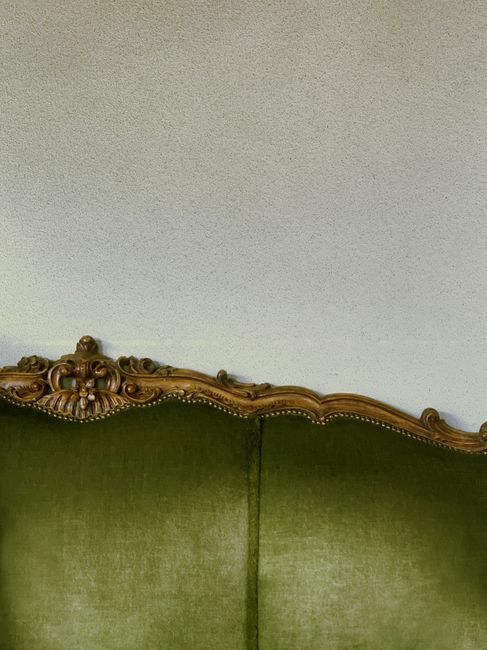
Period homes tend to carry their history in the fabric of the place. That includes chairs, sofas, window seats, ottomans, and the odd antique stool that nobody can quite bear to throw away. The upholstery in these homes often has more complexity than people expect: mixed fabrics, older construction, decorative trims, and sometimes previous repairs that are not obvious until you look closely.
Cleaning matters for two simple reasons. First, furniture that is regularly used will collect oils, dust, crumbs, pet dander, and general household soil. Second, older pieces can be more vulnerable to the wrong cleaning method. Too much moisture, the wrong detergent, or over-aggressive agitation can leave marks, shrinkage, tidelines, or a flattened texture. None of that is dramatic at first. Then one day you notice the fabric has gone patchy or the cushion smells damp. Not ideal.
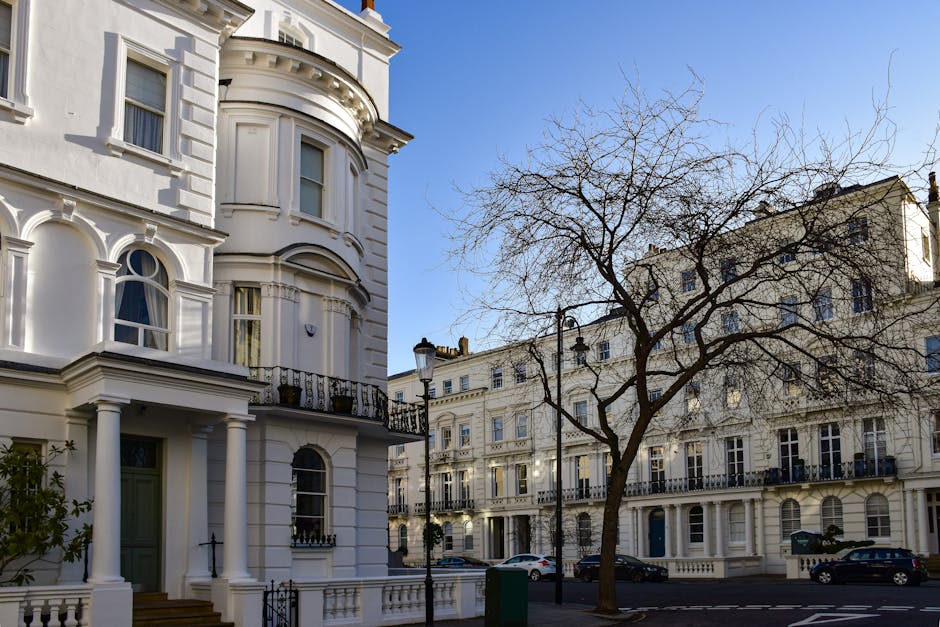
In Nunhead, many homes have a lived-in, layered feel. That is part of the charm. But charm is easier to keep when fabrics are maintained properly. A careful upholstery clean can brighten a room without stripping away the softness that makes a period interior feel welcoming. It also helps when you are trying to host, redecorate, or simply make the front room feel less tired on a grey Monday morning.
Practical takeaway: with period properties, upholstery cleaning is less about brute force and more about reading the fabric, the frame, and the room as a whole.
If you are comparing upholstery and textile care more broadly, the page on rug cleaning can also be useful, because many of the same principles apply: test first, treat carefully, and avoid assuming that every fabric can take the same approach.
How Consort Road upholstery cleaning for period properties Nunhead works
Good upholstery cleaning starts long before any machine is turned on. A proper visit usually begins with inspection. The cleaner should look at the fabric type, the construction, the age and condition of the item, visible staining, colourfastness risks, and whether there are any signs of previous water damage or failed DIY cleaning. That first look is doing a lot of work, truth be told.
Once the piece has been assessed, the next step is to choose the least aggressive method that will achieve a meaningful clean. That might mean low-moisture hot water extraction on suitable fabrics, careful spot treatment on marked areas, or dry-style cleaning for delicate textiles. Some pieces need only targeted attention. Others benefit from a fuller clean across the surface so the result blends naturally instead of leaving a clean patch and a dull patch beside it.
For period properties, airflow and drying are part of the process, not an afterthought. Older rooms may have uneven heating, deep alcoves, or furniture that sits against cold walls. So the clean has to be planned with drying time in mind. Otherwise you get that slightly musty smell no one wants to admit they noticed. You know the one.
Where appropriate, a specialist may also combine upholstery work with other soft-furnishing care such as curtain cleaning or even a broader interior refresh. And if pet incidents are part of the story, the page on pet stain and odour removal explains the kind of targeted response that can make a real difference.
Key benefits and practical advantages
There is a visible benefit, obviously. Cleaner upholstery tends to look fresher, richer in colour, and less dull around the edges. But in a period home, the practical upside goes further than appearances. A well-managed clean can help preserve the structure of the item, reduce the build-up of grime in the weave, and make the room feel more comfortable to live in.
Some of the most useful benefits are easy to miss until after the work is done:
- Fabric preservation: removing abrasive dust and embedded dirt can reduce wear over time.
- Better indoor comfort: fresher upholstery often means less lingering odour and less heavy-feeling air.
- Improved presentation: useful if you are preparing for guests, photos, or a property valuation.
- Reduced allergen load: not a cure-all, but a cleaner textile surface is usually easier to live with.
- Protection for older furniture: careful cleaning helps you avoid the cycle of dirtying, overwetting, and guessing.
There is also a subtle emotional benefit. A well-loved armchair can make a room feel settled again. A sofa that looks crisp instead of grubby can change how you use the space. People sit differently when the room feels cared for. That sounds small, but it isn't really.
For homeowners thinking in terms of whole-home fabric care, it can help to pair upholstery work with carpet cleaning or steam carpet cleaning where suitable, so the furniture and flooring feel aligned rather than half-done.
Who this is for and when it makes sense
This kind of cleaning is especially relevant if your property has older architecture, original features, or furniture that has simply lived a full life. It is a good fit for people who want to protect the appearance of their home without replacing pieces that still have plenty of use left in them.
You may benefit from a careful upholstery clean if:
- you own a period property with traditional or antique furniture;
- your sofa or chairs have visible shading, body oils, or food marks;
- you notice smells after pets, spills, or damp weather;
- you are preparing to let, sell, or refresh the home;
- you have bought a second-hand piece and want it properly cleaned;
- you simply want the room to feel brighter and more cared for.
It also makes sense when you are unsure whether to clean the item yourself. That uncertainty is very common. A lot of people can tell when a chair needs attention, but not whether the fabric is safe for a machine. If the piece has a label, that helps, though labels on older furniture can be missing, faded, or hilariously unhelpful. "Do not use excessive moisture" is not exactly a full briefing, is it?
For some households, the best next step is to start with the most exposed items: the main sofa, dining chairs, and the seat that everybody uses even though nobody admits to having a favourite seat.
Step-by-step guidance
Here is a sensible way to approach upholstery cleaning in a period property without rushing the process.
- Identify the fabric and the age of the piece. Wool, cotton blends, velvet, linen, and synthetic fabrics all behave differently. Older pieces can be unpredictable, especially if they have been repaired or re-covered.
- Check for existing damage. Look at seams, piping, loose buttons, worn arms, wobble in the frame, and any areas where fabric is thinning. Cleaning should not make hidden damage worse.
- Test a small hidden area. This is one of those boring steps that prevents annoying surprises. Do not skip it.
- Select the right method. Low-moisture, hot water extraction, dry cleaning, or targeted stain treatment may each suit different items.
- Pre-treat where needed. Spots from food, drinks, and pet incidents often need a separate stage rather than one generic pass.
- Clean in controlled sections. This helps avoid overlap marks and uneven drying.
- Manage ventilation and drying. Open windows where practical, keep air moving, and do not put cushions back too soon.
- Finish with a careful inspection. Check for lingering marks, water rings, texture changes, and any smell that suggests more drying is needed.
There is no rush. In fact, rushing is often what creates the problem in the first place. A methodical job usually gives a more even, more honest finish.
Expert tips for better results
Experience tends to teach the same lesson over and over: upholstery cleaning works best when you respect the item's limits. That means smaller decisions matter. A little less water. A little more time. A safer detergent. A better drying plan. Boring? Maybe. Effective? Absolutely.
Some practical tips worth remembering:
- Vacuum thoroughly first. Loose grit acts like sandpaper during cleaning.
- Use light pressure on delicate fabrics. Pressure can distort pile and flatten texture.
- Blot, don't scrub. Scrubbing tends to spread staining and roughen fibres.
- Watch for dye transfer. Deep colours, patterned trims, and older fabrics can bleed or fade if treated badly.
- Mind the cushions. Removable cushions sometimes need separate treatment and separate drying time.
- Give natural fibres extra caution. Linen and wool can be beautiful but less forgiving than people expect.
One small real-world observation: in older Nunhead houses, the air movement can vary a lot from room to room. A front room on the ground floor may dry at one speed; a back room with less sunlight may need longer. It sounds obvious when you say it out loud, yet it is easy to forget once you start cleaning. The room matters as much as the sofa sometimes.
If you are also dealing with a stubborn mark, the dedicated stain removal page gives a helpful sense of how spot treatment should be approached carefully rather than aggressively.
Common mistakes to avoid
Most upholstery problems are not caused by one catastrophic mistake. They come from a handful of small, repeated errors. That is actually good news, because small errors are fixable.
- Using the wrong cleaner for the fabric. What works on a synthetic sofa may damage a vintage armchair.
- Over-wetting the fabric. Too much moisture can create odour, rings, or slow drying.
- Ignoring the hidden parts. Under cushions, rear panels, and seams often hold the real dirt.
- Cleaning only the stain, not the surrounding area. That often leaves a visible tide line.
- Skipping the drying stage. A damp piece that is put back into use too soon can smell worse than before.
- Assuming all "period" furniture is delicate in the same way. Some older items are robust, others are fragile. You have to check.
A small warning from experience: if a piece has already been badly cleaned once, it may need a more conservative plan next time. That is not failure. It is just reality. Furniture remembers what has been done to it, in a way.
Tools, resources and recommendations
For readers who like to understand what is involved, here are the main tools and materials commonly associated with careful upholstery work. Not every job needs every tool, and a good cleaner will use judgement rather than showmanship.
| Tool or material | What it does | Why it matters in period properties |
|---|---|---|
| Vacuum with upholstery attachment | Lifts dust, grit, crumbs, and pet hair | Reduces abrasion before wet or dry cleaning begins |
| Fabric-safe pre-spray | Helps loosen soil and some organic marks | Needs careful selection to avoid discolouration |
| Microfibre cloths | Used for blotting and controlled wiping | Useful for delicate spot work without harsh rubbing |
| Low-moisture extraction machine | Removes dirt with limited water use | Often better suited to older fabrics than heavy saturation |
| Air movement and drying aids | Speeds evaporation | Important in cooler rooms or thickly upholstered pieces |
For homeowners choosing between services, it can also help to review pricing and quotes carefully so you understand what is included before booking. And if you are interested in how the business handles customer trust, the pages on insurance and safety and health and safety policy are worth a look.
For broader company information, the about us page helps set expectations about the service approach, while recycling and sustainability is useful if you care about disposal, product choice, and less wasteful practice. Fair enough, many people do.
Law, compliance, standards and best practice
Upholstery cleaning is not usually a heavily regulated service in the way that some other trades are, but that does not mean standards do not matter. Good practice still counts. In a domestic setting, the main expectations are straightforward: safe handling of chemicals, sensible use of electrical equipment, clear communication, and care with property and contents.
In the UK, a professional cleaner should also be mindful of general duties around health and safety, responsible product use, and consumer fairness. That includes giving realistic information about likely outcomes, warning where a stain may be permanent, and not promising miracle results on fragile fabric. That last part is important. A trustworthy cleaner will tell you when a mark may lighten rather than disappear.
For period properties, best practice often means going beyond "clean it until it looks new". That is not always the right goal. The better goal is to clean safely, preserve original texture and colour where possible, and leave the item in a healthier condition than it was before. Sometimes the best result is a subtle improvement, not a dramatic transformation. That's fine. Sometimes subtle is exactly what the room needs.
Customers should also expect clear terms, transparent handling of payment, and a proper complaints process if something goes wrong. Those things may not be glamorous, but they are part of trust. You can review the site's payment and security, terms and conditions, privacy policy, and complaints procedure pages for a clearer sense of how those basics are handled.
Options, methods and comparison table
Not every upholstery item needs the same treatment. The right method depends on fabric, construction, soil level, and drying tolerance. Here is a simple comparison that reflects common practical choices.
| Method | Best for | Strengths | Watch-outs |
|---|---|---|---|
| Hot water extraction | Durable sofas and chairs with safe-to-wet fabrics | Good soil removal, strong refresh, familiar process | Needs control on moisture and drying |
| Low-moisture cleaning | General maintenance and sensitive interiors | Faster drying, gentler handling | May need more precise pre-treatment for heavy staining |
| Dry-style cleaning | Very delicate fabrics or older furniture | Minimal water exposure | Not suitable for every type of soil or stain |
| Targeted stain treatment | Small isolated marks | Focuses on the problem area | Can leave uneven appearance if not blended properly |
If you are still weighing up whether to clean a sofa, chairs, or a whole set of furnishings, it can help to compare the upholstery with the rest of the room. Sometimes the sofa needs a full clean, while the curtains just need a lighter refresh. That is where pages like curtain cleaning and sofa cleaning become practically useful rather than just descriptive.
Case study or real-world example
Picture a ground-floor reception room in a Nunhead period property. The room has original features, a heavy curtain, and a two-seater sofa that has been there long enough for everyone to know its weak spot. The fabric is not badly damaged, but it looks tired around the arms and seat cushions. There is also a faint smell that becomes noticeable when the heating comes on in the evening. Not terrible. Just enough to bother you.
A careful clean would start with inspection, then dry soil removal, then spot testing on the arm area where hand oils have built up over time. The cleaner would likely avoid flooding the fabric, work in sections, and pay close attention to drying. If the cushions are removable, those might be treated separately so moisture does not linger inside the filling. The result may not look dramatically different at first glance, but the room would feel fresher, the scent would be lighter, and the sofa would stop drawing your eye for the wrong reasons.
The most useful part of this sort of job is often what does not happen: no water rings, no stiff patches, no after-smell, no frantic hairdryer improvisation at 10pm. Small victory, but a real one.
Practical checklist
Use this simple checklist before arranging upholstery cleaning for a period property in Nunhead:
- Identify the item and note its approximate age.
- Check fabric labels if present, and photograph any existing damage.
- Look for loose stitching, worn seams, or unstable cushions.
- Decide whether you need a single item cleaned or a room-wide refresh.
- Ask how delicate fabrics are tested before treatment.
- Confirm how drying will be handled and how long the room may need to stay clear.
- Be clear about stains, odours, pets, or previous DIY cleaning attempts.
- Review pricing, payment, and terms before booking.
- Make sure the cleaner can explain any limitations honestly.
- Plan a little extra time after the clean so the fabric can settle properly.
If you want to make the job easier, clear small items from the room in advance and move anything fragile away from the working area. A few minutes' preparation can save a lot of back-and-forth later.
Conclusion
Consort Road upholstery cleaning for period properties Nunhead is about more than appearance. It is a balance of care, judgement, and practical attention to fabric, age, and room conditions. Get that balance right and you can refresh a home without flattening its character. Get it wrong and you may end up with damp smells, odd marks, or furniture that looks oddly harsher than before. No one wants that.
The best results usually come from patient assessment, the right method, and realistic expectations. Period homes reward careful work. So do well-loved sofas, armchairs, and dining chairs. If you treat them with a little respect, they tend to repay the favour by lasting longer and looking better day to day.
And honestly, that is the whole point: a home that feels lived in, but looked after.
Get a free quote today and see how much you can save.
Frequently Asked Questions
What makes period property upholstery different from standard upholstery?
Period property upholstery can involve older construction, more delicate fabrics, and previous repairs that are not visible at first glance. The cleaning method needs to suit the item, not just the stain.
Can all upholstered furniture in a Nunhead period home be steam cleaned?
No. Some items can handle extraction or low-moisture cleaning, but delicate or historic fabrics may need a gentler approach. A proper inspection should decide the method, not guesswork.
How long does upholstery take to dry?
Drying time varies with fabric, room temperature, airflow, and how much moisture was used. Light cleaning may dry relatively quickly, while thicker or more absorbent pieces need longer. It is best not to rush it.
Will upholstery cleaning remove old stains completely?
Not always. Some marks lighten significantly, some disappear, and some may remain visible if they have bonded with the fibres or changed the dye. A trustworthy cleaner should be upfront about that.
Is upholstery cleaning safe for antique chairs and older sofas?
It can be, provided the item is inspected first and treated with the least aggressive method suitable for the fabric. Antique or fragile pieces deserve extra caution, especially with moisture.
How often should upholstery be cleaned in a period property?
That depends on use, pets, dust levels, sunlight, and how much traffic the room gets. High-use items may need more frequent care than decorative pieces. A sensible maintenance schedule is better than waiting until the fabric looks exhausted.
Can pet odours be dealt with during upholstery cleaning?
Often, yes, at least to a meaningful degree. Odour is usually tied to soil and residues in the fabric, so targeted treatment can help. Severe contamination may need a more specific approach, though.
What should I do before the cleaner arrives?
Clear small objects, move fragile items, and point out any stains, loose buttons, or previous cleaning attempts. A few minutes of preparation makes the visit smoother and helps avoid accidental snagging.
Is it better to clean the whole sofa or just the visible marks?
In many cases, cleaning the whole item gives a more even finish. Spot cleaning alone can leave a patchy appearance or a tide line around the treated area.
How do I know if a fabric is too delicate for wet cleaning?
Signs include a weak weave, age-related wear, unstable dye, or a label warning against moisture. If you are unsure, a test patch and a conservative method are the safest route.
Can upholstery cleaning help a room feel less dusty overall?
Yes, especially if dust and pet hair have settled into the weave. It will not replace general housekeeping, but it can make the room feel noticeably fresher and lighter.
Where can I check service details before booking?
You can review practical information such as pricing and quotes, payment and security, and the company's terms and conditions before deciding what suits your home.