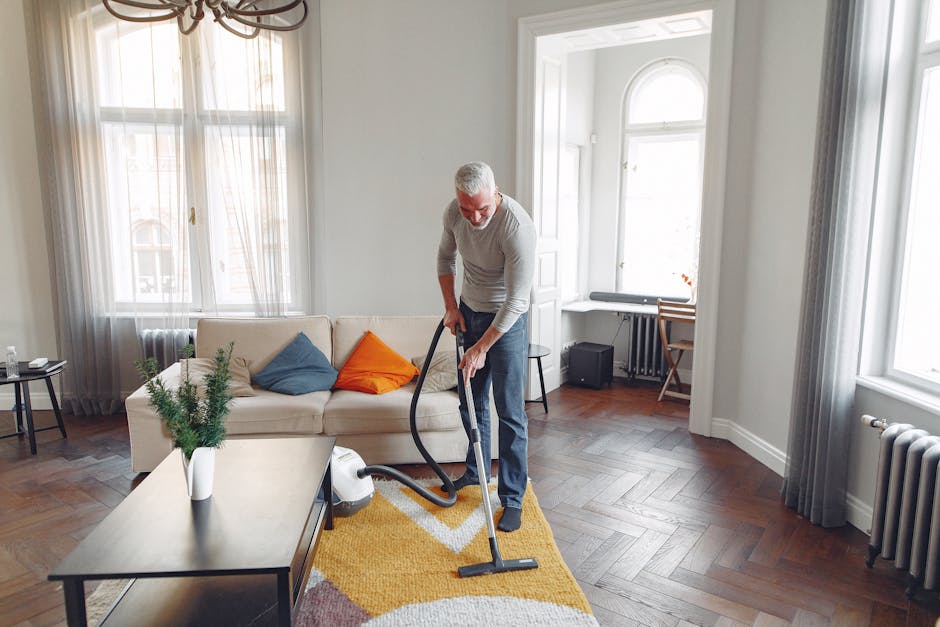
Gordon Road carpet cleaning tips for Nunhead Victorian homes
If you live in a Victorian home near Gordon Road in Nunhead, you already know the carpets are not just floor coverings. They're part of the character of the house. They soften draughty rooms, quiet the stairs, and, if they've been cared for properly, can last a very long time. The catch? Older properties ask for a gentler, smarter approach. These Gordon Road carpet cleaning tips for Nunhead Victorian homes are built around that reality: long-wearing fibres, uneven subfloors, sensitive underlays, and the everyday messes that come with real life. Shoes, pets, spills, soot, damp days, and the odd muddy footprint all leave their mark. This guide walks you through how to clean carpets safely, protect delicate finishes, and decide when a deeper professional clean makes more sense.
One quick note before we begin: if your carpets have antique wear, stair runners, or signs of persistent odour, it's worth treating them with a bit more respect than a modern flat-pack home would need. To be fair, that's often where the damage happens-too much water, too much scrubbing, not enough drying time.
Table of Contents
- Why Gordon Road carpet cleaning tips for Nunhead Victorian homes matters
- How Gordon Road carpet cleaning tips for Nunhead Victorian homes works
- Key benefits and practical advantages
- Who this is for and when it makes sense
- Step-by-step guidance
- Expert tips for better results
- Common mistakes to avoid
- Tools, resources and recommendations
- Law, compliance, standards, or best practice
- Options, methods, or comparison table
- Case study or real-world example
- Practical checklist
- Conclusion
- Frequently asked questions
Why Gordon Road carpet cleaning tips for Nunhead Victorian homes matters
Victorian homes in Nunhead tend to bring together beauty and quirks in equal measure. You may have original floorboards beneath the carpet, older gripper edges, shallow fireplaces, bay windows, and rooms that hold dust in corners you barely notice until the sunlight hits them at 4pm. That makes carpet care a little different from cleaning in a newer build.
The main reason this matters is simple: older properties can trap moisture, and carpet fibres in these homes often sit over structures that were not designed with modern wet-cleaning in mind. Use the wrong method, and you can end up with slow drying, musty smells, dye bleed, or a patchy finish that looks worse than before. Not ideal. The good news is that most problems are avoidable once you understand the material, the room, and the limits of each cleaning method.
There is also the heritage angle. Many Victorian houses have carpets that have been fitted around awkward corners, narrow staircases, and uneven landings. You are not just cleaning a surface; you are working with a room that may flex, breathe, and age differently from room to room. That's why a careful routine often beats an aggressive deep clean.
If you want a broader look at what professional care can include, the main carpet cleaning service overview is a useful place to start, especially if you're comparing routine maintenance with deeper restorative work.
Expert summary: In older Nunhead homes, the best carpet cleaning results usually come from less force, more preparation, and much better drying. That sounds almost too simple, but it's usually true.
How Gordon Road carpet cleaning tips for Nunhead Victorian homes works
The process is not about one magic product. It's a sequence. First, remove loose grit and dust. Then treat stains in a controlled way. Then choose the right cleaning method for the fibre and backing. Finally, dry everything quickly and evenly so the carpet doesn't hold onto moisture.
For a Victorian property, the process also involves checking what the carpet is sitting on. A carpet laid over old timber floors, mixed underlay, or period joists can react differently to steam, shampoo, or heavy saturation. Even a small spill can travel further than you expect if the subfloor has gaps or previous repairs. That's why you should be careful about "one-size-fits-all" advice. It rarely fits old houses all that well.
Here's the short version:
- Inspect the carpet and identify the fibre type if possible.
- Vacuum slowly and thoroughly, including edges and stairs.
- Spot-test any cleaning product in an inconspicuous area.
- Use minimal moisture on delicate or older sections.
- Work from the outside of stains inward.
- Dry with airflow, not heat blasting.
- Recheck after drying for ring marks or wicking.
If you need a stronger intervention for set-in dirt or heavy traffic lanes, a service like steam carpet cleaning may be appropriate, but only after confirming the carpet and room conditions are suitable. Steam cleaning can be excellent. It can also be too much for some older carpets. Context matters.
Key benefits and practical advantages
Good carpet cleaning in a Victorian home does more than make things look tidy. It protects the fabric of the room itself. And yes, that sounds a bit dramatic, but anyone who has lifted a carpet and found years of grit underneath knows it's not really dramatic at all.
- Better appearance: Traffic lanes, stair edges, and hallway dullness lift noticeably when the cleaning is done properly.
- Longer carpet life: Embedded grit acts like sandpaper underfoot. Remove it regularly and fibres hold up better.
- Less odour retention: Old homes can retain smells from pets, damp shoes, cooking, or smoke. Cleaning helps reset the room.
- Improved indoor comfort: Freshly cleaned carpets feel softer underfoot and can reduce the dusty feel in older rooms.
- Better stain control: Quick, targeted treatment helps stop spots from becoming permanent.
- Preservation of character: In a Victorian interior, a clean carpet supports the look of the whole house instead of competing with it.
There's also a practical financial angle. A well-maintained carpet usually lasts longer before replacement becomes necessary, and in an older property replacement can be fiddly and expensive because of stair runs, odd dimensions, and awkward joins.
If your carpets are part of a broader care routine, you may also find it helpful to look at related services like upholstery cleaning or rug cleaning, because dust and dirt often migrate between fabrics more than people realise.
Who this is for and when it makes sense
This advice is for homeowners, tenants, landlords, and letting agents dealing with Victorian or period homes around Gordon Road and nearby Nunhead streets. It's especially useful if your property has one or more of these features:
- original or older carpet fitted on stairs or landings
- thicker pile carpets that trap fine dust
- underlay of uncertain age
- signs of damp, musty smells, or slow drying after cleaning
- pets, children, or heavy footfall
- rooms with delicate trims, thresholds, or uneven floors
It makes sense to follow a careful cleaning routine when you notice the carpet looking flat, grey at the edges, or a bit tired in the walkways. It also makes sense after events like winter mud, a spill that's soaked into the pile, or a long period of closed windows. Truth be told, Nunhead weather can make a carpet feel like it needs a fresh start every now and then.
For homes that need a more targeted fix for marks and spills, a dedicated stain removal approach is often the better next step than a full all-over clean.
Step-by-step guidance
Below is a practical, room-by-room approach that works well in many older homes. You don't need fancy equipment for the basics. What you do need is patience. And maybe ten extra minutes you thought you didn't have.
1) Start with a proper inspection
Check for loose seams, worn patches, fraying on stair nosings, and any signs of damp. If the carpet smells musty before you clean it, do not simply add more water and hope for the best. Find the cause first if you can.
2) Vacuum more slowly than you think
Go over high-traffic areas twice, and use a crevice tool along skirting boards, under radiators, and at the base of stairs. Victorian homes collect dust in trim lines and joins. A rushed vacuum misses most of the thing you're actually trying to remove.
3) Test in a hidden spot
Whether you're using a spray, foam, or diluted solution, test it near a wardrobe edge or under a sofa where no one will notice a tiny change in colour. If the test spot reacts badly, stop there.
4) Treat spots gently
Blot, don't rub. Work from the outside toward the centre. Use a clean white cloth if possible so you can see whether the stain is lifting. If a mark is from wine, tea, or pet mess, a specialist product may help more than soap and water.
5) Keep moisture under control
Older carpets and older subfloors dislike over-wetting. Use as little liquid as will do the job. If you can see the backing soaking through, that's too much. A little damp is fine; soggy is not.
6) Allow serious drying time
Open windows where safe, use fans if you have them, and keep foot traffic off the carpet as long as possible. The goal is even drying. Uneven drying can leave tide marks, reappearances of stains, or that slightly stale smell no one wants to admit is there.
7) Check the result after it dries
Once dry, have a proper look in daylight. Do the marks return? That can happen with deeper stains that wick back up as the carpet dries. If so, treat them again lightly rather than scrubbing harder.
Expert tips for better results
These are the small things that tend to make the biggest difference in older homes.
- Clean in sections: On larger rooms, work in manageable zones so you don't lose control of drying.
- Mind the edge zones: Dust collects where the carpet meets skirting boards. Those edges often make the room look dull even when the middle looks fine.
- Protect stair runners: Stairs wear faster than bedrooms. Use gentler extraction and pay attention to tread fronts.
- Lift furniture carefully: Heavy furniture can crush damp fibres. Use coasters or leave items off the carpet until it is fully dry.
- Deal with pet issues early: The longer an odour sits, the deeper it settles. If this is a recurring issue, a targeted pet stain odour removal treatment can be more effective than a general clean.
- Use airflow, not urgency: Heated blasting can cause shrinkage or uneven finish on vulnerable carpets. Air movement is safer.
One practical observation from older homes: hallway carpets often tell the truth about the whole house. If the hallway is packed with grit, so are the living rooms, even if they look okay at first glance.
If your carpets sit under heavy curtains or near window condensation, it may also be worth thinking about related fabric care such as curtain cleaning, because dust and moisture often travel together in period homes.
Common mistakes to avoid
This is where a lot of good intentions go sideways. Let's keep it simple.
- Using too much water: Old flooring structures can hold moisture longer than expected.
- Scrubbing stains hard: That can spread the stain and rough up fibres.
- Skipping vacuuming first: You end up turning loose grit into muddy residue.
- Ignoring carpet fibre type: Wool, synthetic, and mixed fibres all behave differently.
- Cleaning only the visible stain: The surrounding area often needs treatment too, otherwise you get a halo.
- Drying too slowly: Damp carpets are a nuisance, and sometimes a real problem in period homes.
- Using strong products without testing: Colour loss and texture damage are hard to undo.
The most common error, in my experience, is people assuming a Victorian home needs the same approach as a modern carpet in a new estate house. It doesn't. Not really.
Tools, resources and recommendations
You don't need a van full of kit to care for carpets well, but a few sensible tools help a lot.
| Tool or method | Best use | Why it helps in Victorian homes |
|---|---|---|
| Slow-action vacuum | Routine dust and grit removal | Reaches embedded dirt before it settles deeper |
| White microfibre cloths | Spot treatment and blotting | Lets you see transfer without adding dye or lint |
| Soft brush | Loosening light surface soil | Gentler on older pile and edges |
| Portable fan | Drying support | Helps air circulation without over-heating fibres |
| Neutral carpet solution | Light routine cleaning | Less likely to leave sticky residue |
| Professional extraction | Deeper soil removal | Useful when the carpet needs a thorough refresh |
When the carpet is especially delicate, or when the room contains heirloom furniture, it can be better to ask for a careful inspection before any treatment. The same cautious approach applies if you're comparing options for other fabrics too, such as sofa cleaning or mattress cleaning. Fabric care usually rewards a light touch and a sensible sequence.
If you're comparing professional options, it also helps to look at pricing and quotes before booking. Not because price is everything, but because the cleaning method, drying time, and expected result should make sense together.
Law, compliance, standards, or best practice
For most homeowners, carpet cleaning is not a heavily regulated process in itself, but there are still sensible standards and responsibilities to keep in mind. If you live in or manage a property in the UK, good practice means using products responsibly, ventilating rooms properly, and treating older interiors with care so you do not create moisture or slip hazards.
For landlords and managing agents, the practical duty is broader. Carpets should be left in a condition that is clean, safe, and suitable for normal occupancy. That does not always mean "new-looking," especially in a period property, but it does mean no avoidable dampness, no obvious residue, and no untreated damage that could become a problem later.
If a professional cleaner is involved, it is reasonable to expect basic safety awareness, suitable insurance, clear communication about the method used, and honest advice when a carpet is not a good candidate for aggressive cleaning. That sort of transparency matters more than a flashy promise.
It's also sensible to ask about the cleaner's general health and safety approach and insurance and safety practices. That's not being fussy. That's just careful.
Good best practice also includes respecting household routines: keeping children and pets away from wet areas, checking for trip hazards, and avoiding overuse of chemicals in enclosed rooms. Small things, but they matter.
Options, methods, or comparison table
Different carpet cleaning methods have different strengths. The right choice depends on fibre type, age, soil level, and drying tolerance. Here's a plain-English comparison.
| Method | Best for | Pros | Watch-outs |
|---|---|---|---|
| Vacuuming and spot care | Weekly maintenance | Fast, safe, inexpensive | Won't remove deep soil |
| Foam or low-moisture cleaning | Delicate carpets and light refreshes | Less water, quicker drying | May not fully remove heavy contamination |
| Hot water extraction / steam-style cleaning | Deeper soil and traffic lanes | Strong dirt removal when suitable | Needs controlled moisture and proper drying |
| Targeted stain treatment | Specific spills or pet issues | Efficient and focused | Requires accurate stain identification |
| Professional upholstery and fabric support | Whole-room fabric care | Creates a more consistent finish | Can be more involved and time-consuming |
For many Gordon Road Victorian homes, the best answer is not a single method but a combination: routine vacuuming, careful spot treatment, and periodic professional deep cleaning where appropriate. That tends to be the sweet spot.
Case study or real-world example
A typical scenario goes like this. A Nunhead homeowner notices that the hallway carpet looks greyish even though it was cleaned not too long ago. The stairs smell a bit stale after wet weather, and one landing spot has a faint tea mark from a rushed Sunday morning. Nothing dramatic, just enough to annoy you every time you walk past it.
The first step is not to flood the area with cleaner. It's to vacuum slowly, especially along the stair edges, and check whether the carpet is wool or synthetic. The tea mark is blotted first, then gently treated. The hallway gets a light clean, not a soak. A fan is used afterwards, and the room is kept open to air out. A day later, the carpet looks brighter and the smell has eased. The lesson? The difference was less about force and more about sequence.
In another common case, pet odour returns after a superficial clean because moisture drew old residue back up from below the pile. That's frustrating, honestly. In that situation, a more targeted treatment for the source area is usually needed, and sometimes a whole-room refresh is the cleaner long-term solution.
Practical checklist
Use this before and after any carpet clean in a Victorian home.
- Vacuum thoroughly, including edges and stairs
- Check for loose seams, worn areas, and damp patches
- Test any product in a hidden spot
- Blot stains; do not scrub
- Keep moisture low and controlled
- Use airflow to speed drying
- Move furniture only when the carpet is fully dry
- Reinspect for returning marks after drying
- Address odours early, not after they settle in
- Choose a method that suits the fibre and the age of the property
If you want a broader look at care for the rest of the home, it may help to browse related fabric services such as upholstery cleaning and rug cleaning. It keeps the whole place feeling coherent, not just one room at a time.
Conclusion
Gordon Road carpet cleaning tips for Nunhead Victorian homes come down to a few disciplined habits: inspect first, clean gently, keep moisture under control, and give the carpet enough drying time. In a Victorian home, that approach does more than improve appearance. It protects the room, respects the age of the property, and helps you avoid the kind of cleaning mistakes that create more work later.
Whether you are managing a busy family home, preparing a rental between tenancies, or simply trying to revive a hallway that has seen one too many muddy boots, the best results usually come from calm, careful work. Not glamorous, maybe, but effective. And with older homes, effective is what you want.
If you're ready to compare options, ask about method suitability, or get tailored help for a period property, take the next step when it feels right.
Get a free quote today and see how much you can save.
Sometimes the cleanest outcome starts with the quietest, most thoughtful one.
Frequently Asked Questions
What makes carpet cleaning in Victorian homes different?
Older homes often have more delicate carpet fittings, uneven subfloors, and a lower tolerance for excess moisture. That means cleaning should be gentler and better controlled than in a newer property.
Can I use a steam cleaner on a Victorian carpet?
Sometimes, yes, but only if the fibre, backing, and room conditions are suitable. Steam-style cleaning can be very effective, yet it can also cause issues if too much water is used or drying is too slow.
How often should carpets in Nunhead Victorian homes be cleaned?
It depends on footfall, pets, and household habits. Vacuuming should be regular, spot treatment should happen quickly, and deeper cleaning is usually best done when the carpet starts to look flat, dull, or tired.
What is the safest way to clean a stain on an older carpet?
Blot first with a clean cloth, test any solution in a hidden area, and use the least moisture needed. Scrubbing usually makes the problem worse, not better.
Why do stains sometimes come back after cleaning?
That's often called wicking. Moisture draws residue up from deeper in the fibres as the carpet dries. A second light treatment may be needed once the area is fully dry.
Are wool carpets harder to clean?
They are not impossible, but they do need more care. Wool can react badly to harsh chemicals, high heat, or rough treatment, so the cleaning method should be chosen carefully.
How can I stop damp smells after carpet cleaning?
Use controlled amounts of liquid, improve airflow, and avoid walking on the carpet until it is properly dry. If the smell was already there before cleaning, the cause may be deeper than the surface.
Should I clean the whole carpet or just the stained area?
If the stain is isolated, spot treatment may be enough. If the carpet looks generally dull, has traffic lanes, or carries odour, a full-room clean is usually the better choice.
What should I ask a professional carpet cleaner before booking?
Ask what method they use, how they handle older properties, what drying time to expect, and whether they have appropriate insurance and safety procedures in place.
Is there a best cleaning method for stair carpets?
Stairs often benefit from more careful, targeted cleaning because they wear differently from flat rooms. A method that avoids over-wetting and pays attention to tread edges is usually the safest bet.
Can carpet cleaning help with pet odour in an old house?
Yes, but odour can be stubborn in older fabrics and underlay. A targeted approach is often needed, especially if the smell has settled into the backing or padding below the carpet.
What if my carpet looks clean but still feels dusty?
That usually points to embedded fine dust or grit. A thorough vacuuming routine, especially along edges and under furniture, can make a surprising difference before any deeper clean is attempted.
Where can I learn more about related cleaning services?
You can explore the broader fabric-care options available on the site, including carpet cleaning, steam carpet cleaning, and stain removal for more tailored situations.